Gangrel Clan
Also Known As: The Wanderers, Children of the Wild, Blood of the Beast
Classification: Vampire Clan
Affiliation: Independent Bloodlines
Primary Regions: Northern Europe, Eastern Europe, the Great Forests, the Steppes, the New World Frontiers
Reach: International
Status: Active
Overview
The Gangrel believe civilization is temporary. Cities rise and fall, kingdoms crumble, churches fracture, and empires vanish beneath the weight of history. The wilderness remains.
Among vampires, the Gangrel are the closest to the primal instincts of the Beast. They embrace the untamed world rather than struggle against it, learning to survive where others seek dominion. A Gangrel may spend decades wandering forests, mountains, marshes, or forgotten ruins, emerging only when necessity or curiosity draws them back among mortals.
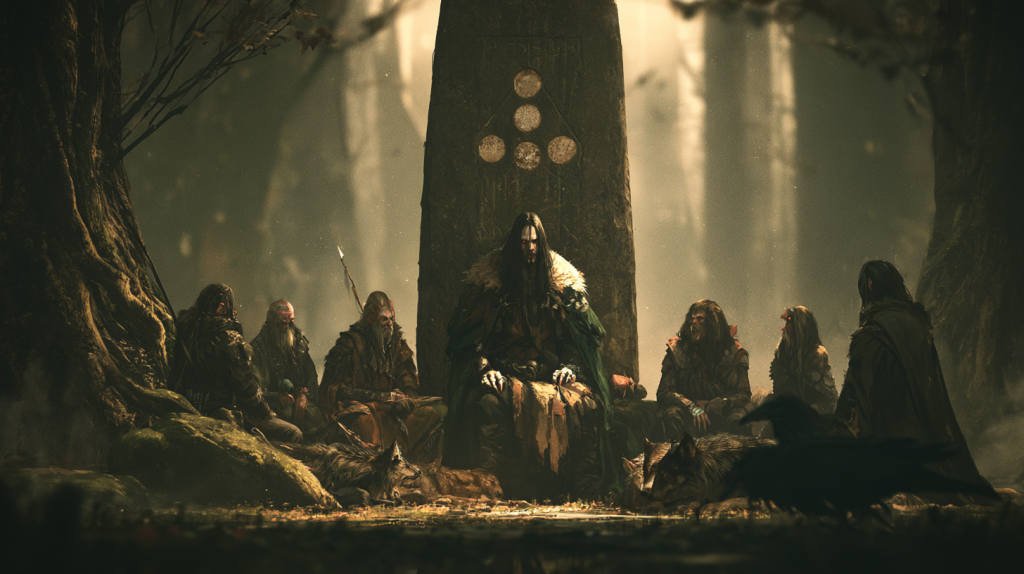
Unlike many vampire clans, Gangrel rarely build elaborate hierarchies. They respect experience earned through survival rather than inherited authority. Leadership is temporary and often situational. A seasoned hunter commands because others trust their judgment, not because bloodline grants privilege.
Philosophy
Gangrel see the Beast as neither enemy nor master.
Where other vampires seek to suppress it or indulge it, Gangrel strive to understand it. Hunger, fear, instinct, patience, and violence are natural forces. Survival depends upon recognizing when each serves a purpose.
Many Gangrel believe predators possess an honesty absent from civilization. Wolves kill because they must. Humans often kill for pride, greed, or ambition while convincing themselves otherwise.
To a Gangrel, civilization is valuable only when it remembers that it remains part of nature.
Organization
The Gangrel possess no central authority.
Most travel alone or in small family groups called packs, though the term carries little formal meaning. Packs form and dissolve naturally as circumstances change.
Older Gangrel maintain loose networks of mutual respect. They remember safe paths through dangerous lands, ancient resting places, forgotten shrines, and territories claimed by rival predators. Such knowledge is shared carefully and usually earned rather than freely given.
When several Gangrel gather, the oldest or most accomplished survivor naturally assumes leadership until circumstances change.
Relations with Other Clans
Gangrel often distrust the ambitions of Ventrue and Lasombra, viewing their elaborate political structures as fragile illusions.
They maintain cautious respect for Nosferatu, whose knowledge of hidden places frequently overlaps with their own travels.
Brujah are admired for their conviction, though Gangrel often consider them too eager to fight battles that nature would eventually settle on its own.
Gangrel relationships with Tremere remain strained in many regions. Blood magic and experimentation are viewed with suspicion, particularly where Tremere have hunted or imprisoned supernatural creatures.
They treat Malkavians with wary respect. Madness often walks close to instinct, and Gangrel have learned that dismissing strange visions can prove costly.
Presence on A’erth
Gangrel can be found almost anywhere civilization gives way to wilderness.
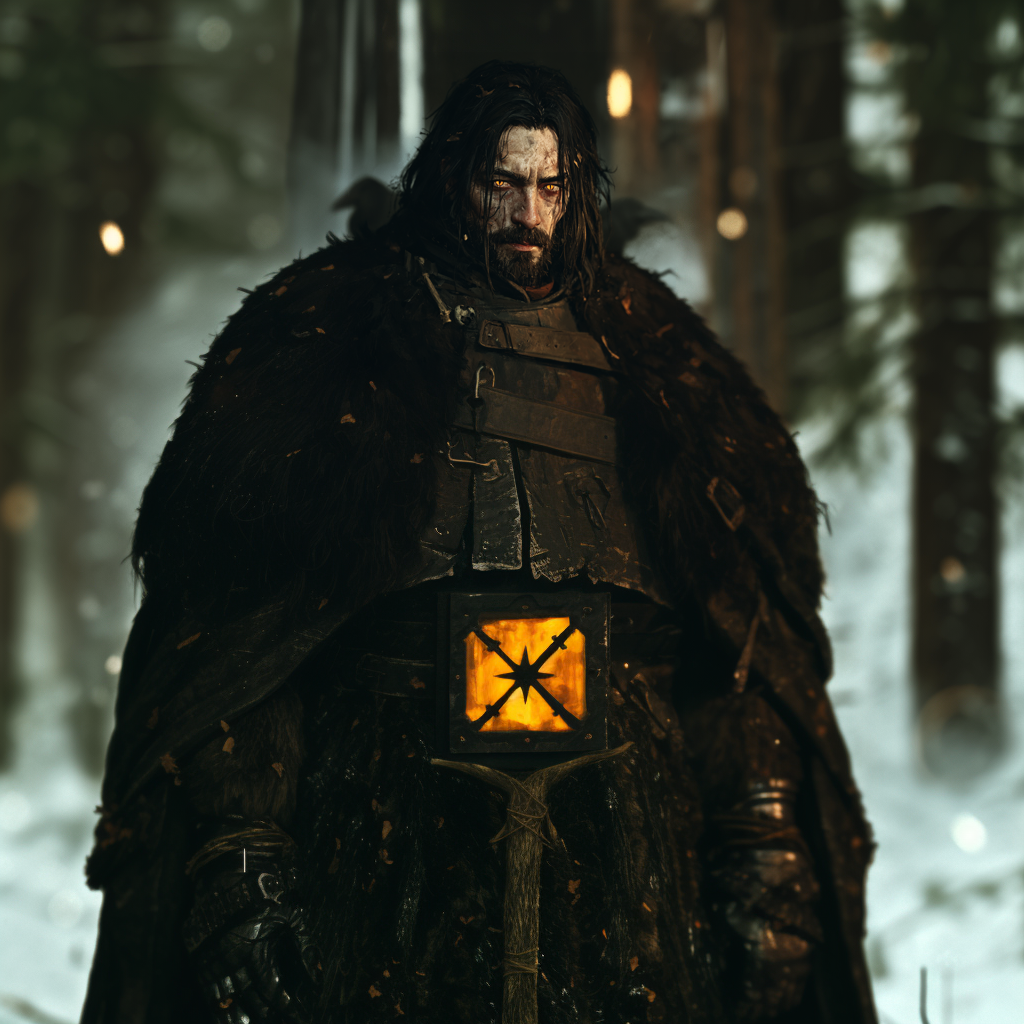
They dwell among ancient forests, mountain passes, windswept moors, forgotten river valleys, and abandoned fortifications reclaimed by nature.
Some quietly protect sacred groves, standing stones, or prehistoric ruins whose importance predates recorded history. Others roam constantly, believing remaining too long in one place weakens both body and spirit.
In lands where the Old Ways survive, Gangrel occasionally coexist with druids, shamans, and animistic traditions. Such relationships are never universal, but mutual respect is common.
Dealings with Mortals
Most mortals never realize they have encountered a Gangrel.
A solitary hunter who appears unexpectedly during a storm, a weathered traveler who knows every forest path, or an elderly shepherd whose dogs obey impossible commands may all conceal far older truths.
Gangrel rarely cultivate noble courts or criminal organizations. They prefer a handful of trusted relationships maintained over generations rather than broad influence.
Many become quiet guardians of isolated communities, intervening only when monsters, raiders, or unnatural threats disturb the natural balance.
GM ONLY: Gangrel
The Truth
Gangrel descend from one of the oldest surviving vampiric bloodlines.
Their Beast manifests more openly than that of other clans. As they age or repeatedly surrender to frenzy, many develop subtle animal characteristics that reveal their supernatural nature. Eyes become lupine, nails resemble claws, ears sharpen, voices deepen into growls, or scents linger that no washing removes.
These marks are regarded as signs of experience rather than shame.
Goals
Gangrel seek survival before victory.
Most care little for kingdoms or political intrigue unless those ambitions threaten ancient places, migration routes, or the natural world.
Individual Gangrel may oppose Strahd, ignore him entirely, or even cooperate with Ravenloft when interests briefly align. The clan has no unified policy regarding Barovia.
Disciplines
Gangrel vampires most commonly practice:
- Animalism
- Fortitude
- Protean
Older Gangrel often display abilities resembling transformation into wolves, bats, mist, or other predatory forms, though these powers vary considerably between individuals.
Relations with the Old Ways
Many outsiders assume Gangrel serve druidic circles or ancient nature cults.
This is only partially true.
Gangrel respect traditions that preserve the balance between civilization and wilderness, but they are not inherently servants of the Old Ways. They frequently disagree with druids who place the needs of nature above those of innocent communities.
Knowledge Checks
Intelligence (History)
DC 10: Gangrel are wandering vampires associated with the wilderness.
DC 15: They rarely participate in vampire politics and possess little formal hierarchy.
DC 20: Ancient Gangrel maintain hidden refuges and routes across entire continents.
Intelligence (Nature)
DC 10: Gangrel often display animal traits.
DC 15: They possess supernatural affinity with beasts.
DC 20: The oldest Gangrel can assume terrifying hybrid forms that blur the line between vampire and predator.
Intelligence (Religion)
DC 15: Gangrel neither embrace nor reject civilization entirely. Their philosophy centers upon balance rather than conquest.
DC 20: Some sacred sites protected by the Gangrel predate nearly every modern faith.
Adventure Use
Gangrel work best as uncertain allies rather than obvious villains.
They may guide characters safely through haunted wilderness, warn them of supernatural predators, defend forgotten shrines, or oppose hunters whose actions threaten ancient balances.
Others become terrifying antagonists when starvation, territorial instinct, or centuries of isolation have allowed the Beast to eclipse the person they once were.
Development
Few Gangrel seek power over nations.
Instead, they ask a simpler question:
“When every wall has fallen and every king has been forgotten… what still survives?”
Notes
0 notes on this entry
Sign in to leave a note. Sign in.